
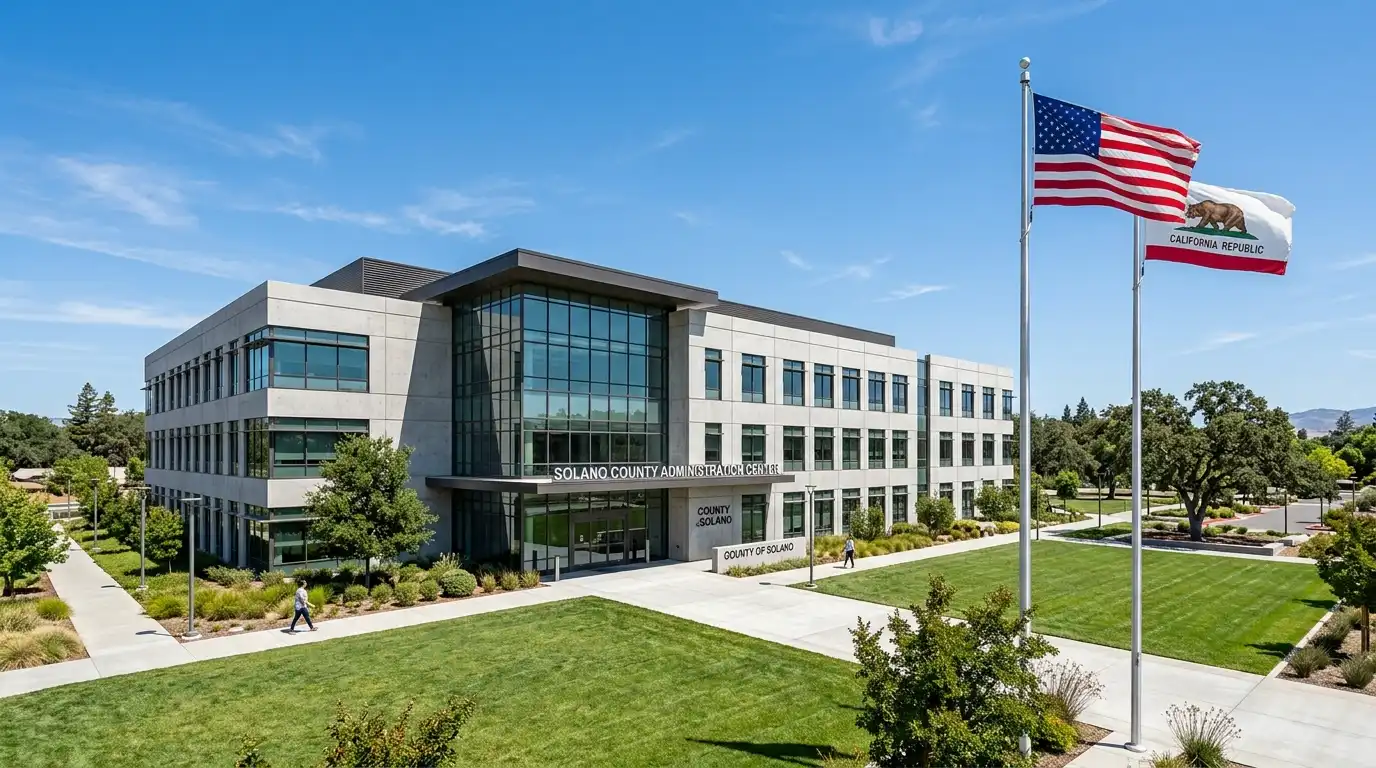
Understanding local government operations empowers residents to shape community decisions, influence regional budgets, and ensure accountable public policy across the Solano County region.
The Role of the Solano County Board of Supervisors
Serving as both the legislative and executive branch of county government, the Solano County Board of Supervisors establishes public policies, passes local ordinances, adopts annual budgets, and oversees county departments. From public health programs and emergency management to regional transit links and agricultural zoning, decisions made by the Board directly influence the everyday quality of life for over 450,000 residents.
Attending or tracking solano county board of supervisors public meetings provides citizens with a transparent, direct look at how public funds are allocated and how policy proposals move from initial draft ideas into binding regional laws.
How the Board is Structured
Solano County is divided into five distinct supervisorial districts, each represented by an elected supervisor serving a staggered four-year term. This district-based structure ensures that both urban centers and rural unincorporated areas retain dedicated representation on the Board.
Supervisorial Districts Overview
- District 1: Primary coverage includes northern portions of Vallejo.
- District 2: Encompasses the city of Benicia and southern portions of Vallejo.
- District 3: Includes Suisun City and central regional corridors along Fairfield.
- District 4: Represents Vacaville and northern rural agricultural acreage.
- District 5: Covers Dixon, Rio Vista, and the eastern Sacramento-San Joaquin Delta regions.
To view official district boundaries, upcoming board schedules, and official department directories, visit the official Solano County Board of Supervisors Portal.
Anatomy of a Board Meeting
Public meetings generally take place on scheduled Tuesdays inside the Board of Supervisors Chambers located at the Solano County Administration Center in Fairfield (675 Texas Street). Meetings follow a structured parliamentary procedure to maintain order and adhere to the California Ralph M. Brown Act, which guarantees the public’s right to attend and participate in local legislative meetings.
Key Sections of a Meeting Agenda
Meeting packets are published online days in advance. Understanding how the agenda is formatted helps residents navigate specific topics efficiently:
- Consent Calendar: A grouping of routine operational matters, grant approvals, and minor contract renewals voted on collectively in a single motion without separate debate unless pulled by a supervisor or resident.
- Regular Calendar: High-priority discussion items, policy debates, departmental updates, and complex regional projects that feature detailed staff presentations.
- Public Hearings: Formally noticed proceedings required by law for major land-use permits, county budget updates, fee adjustments, and code amendments.
- Closed Session: Confidential deliberations permitted by state law to discuss pending litigation, labor negotiations, or real property transactions.
How Citizens Can Participate and Be Heard
Civic input plays a central role in guiding local policy decisions. Residents do not need formal background training in government procedures to voice concerns or offer commentary on agenda items.
1. In-Person Public Comments
Attending meetings in person allows residents to address the Board directly during designated open public comment periods for non-agenda items or specific agendized hearings. Speakers typically fill out a comment card and receive a set time limit (usually 2 to 3 minutes) to deliver remarks.
2. Remote & Digital Participation
For those unable to travel to Fairfield in person, the county offers real-time streaming services through its web portal and cable channels. Written comments, eComments, and email submissions sent ahead of meetings become part of the official public record reviewed by supervisors.
3. Serving on County Advisory Boards
Residents looking for deeper civic engagement can apply for open seats on county boards, commissions, and advisory committees. These appointed advisory bodies focus on specialized topics such as planning, parks, library services, aging adult resources, and public health.
Key Areas Impacted by County Policy

Decisions enacted during public meetings influence long-term regional development. Primary areas governed at the county level include:
- Land Use & Agriculture: Preserving agricultural land, managing open space reserves, and approving unincorporated housing developments.
- Infrastructure & Roads: Funding maintenance for county roads, bridges, public transit connections, and flood protection systems.
- Public Health & Social Services: Allocating state and federal funds toward mental health resources, housing assistance, family support programs, and public clinics.
- Public Safety & Emergency Preparedness: Funding the Sheriff’s Office, local detention facilities, emergency communications, and wildfire hazard mitigation.
Strengthening Local Democracy Through Engagement
Local government operates closest to the people. By staying informed on board agendas, monitoring public hearing schedules, and sharing community insights, Solano County residents actively contribute to a transparent, responsive, and thriving local democracy.